
 Send Inquiry
 08037735310
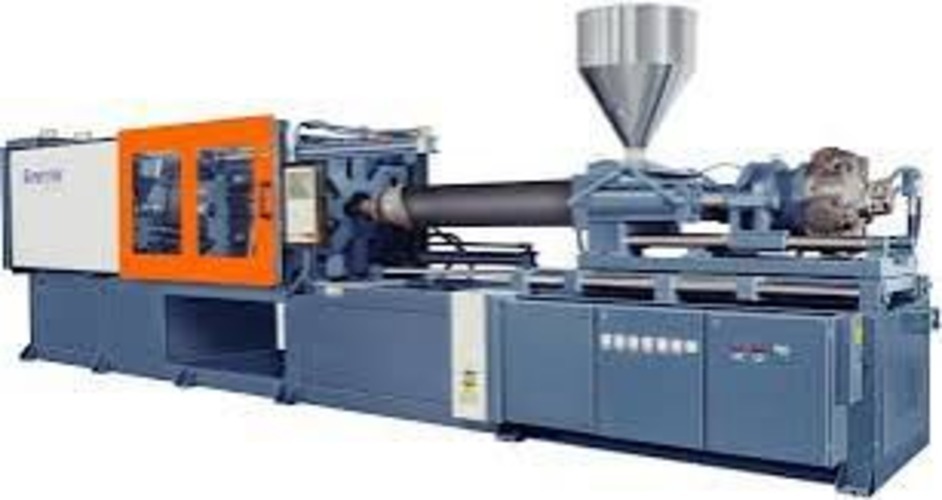
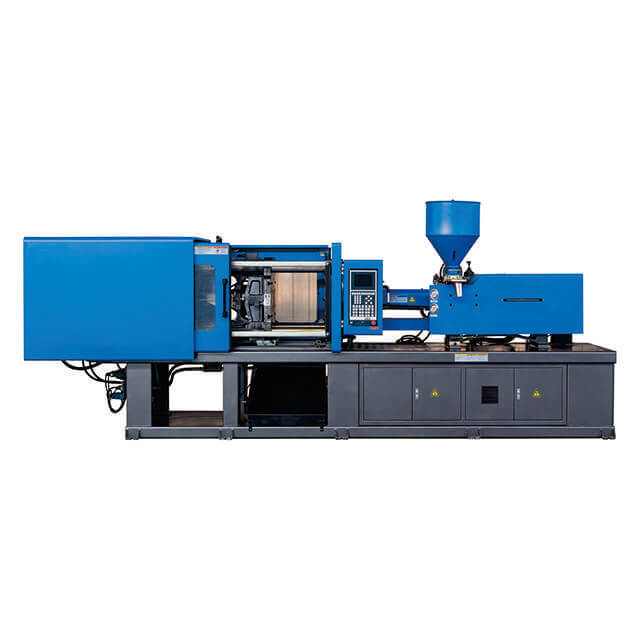
Plastic Injection Moulding Machine
Product Details:
- Accuracy High Precision (0.01 mm)
- Accessories Type Heater Bands, Nozzle, Hopper Loader
- Features Energy Efficient, Fast Cycle Time, Safety Interlocks, Easy Operation
- Surface Treatment Polished / Painted
- Operating Pressure 1500-2000 bar
- Technology Plastic Injection Moulding
- Control System PLC Control With HMI Display
- Click to View more
X
Plastic Injection Moulding Machine Price And Quantity
- 10 Piece
Plastic Injection Moulding Machine Product Specifications
- Automatic / Semi-Automatic
- High-Grade Alloy Steel
- Electric
- Automatic
- Automotive, Electronics, Consumer Goods, Packaging
- Vertical/Horizontal Injection Molding Machine
- Plastic Part Molding
- 380 V / 415 V AC
- Plastic Injection Moulding
- PLC Control With HMI Display
- 1500-2000 bar
- Polished / Painted
- Energy Efficient, Fast Cycle Time, Safety Interlocks, Easy Operation
- High Precision (0.01 mm)
- Heater Bands, Nozzle, Hopper Loader
- 80 - 400 Tons
- 4 15 Tons
- 100 180 mm
- 3275 mm
- 360 mm x 360 mm or as per model
- Below 75 dB
- 100 250 cc/sec
- 150/450 mm
- 801800 grams
- 4-6 Zones
- Water Cooled
Plastic Injection Moulding Machine Trade Information
- 10 Piece Per Month
- 7 Days
Product Description
Plastic Injection Moulding Machine
An injection molding machine, also known as an injection press, is a machine for manufacturing plastic products by the injection molding process. It consists of two main parts, an injection unit and a clamping unit.
High Precision and Versatility
Offering 0.01 mm accuracy, our injection moulding machines cater to industries demanding consistent, high-quality output. With adjustable mould heights (150/450 mm), flexible tie bar distances, and customizable shot weights, the machines effortlessly adapt to various mould sizes and part designs, supporting both automatic and semi-automatic operations.
Intelligent Control and Energy Efficiency
Equipped with advanced PLC controls and user-friendly HMI displays, the machines ensure efficient process monitoring and easy adjustments. Coupled with energy-saving technologies and fast cycle capabilities, they help reduce operational costs while enhancing overall productivity.
Superior Safety and Reliability
Safety interlocks and water-cooled systems deliver dependable performance while maintaining safe operating conditions. Constructed from high-grade alloy steel with polished or painted surfaces, our machines guarantee long life and low maintenance, making them a trustworthy choice for diverse manufacturing environments.
FAQ's of Plastic Injection Moulding Machine:
Q: How does the plastic injection moulding process work on these machines?
A: The plastic injection moulding process begins with plastic granules loaded into the hopper, which are then heated and melted in the barrel. The molten plastic is injected into a mould cavity under high pressure using the screw and clamping system. After cooling and solidification, the finished part is ejected. The entire process is controlled via the PLC and HMI interface for accuracy and repeatability.Q: What industries commonly use these injection moulding machines?
A: These machines are widely utilized in automotive, electronics, consumer goods, and packaging sectors. Their high precision, versatility, and ability to handle a variety of mould sizes and shot weights make them ideal for producing reliable, high-quality components across these industries.Q: When is it necessary to choose a machine with higher clamping force or larger screw diameter?
A: A machine with a higher clamping force is required for larger or more complex moulds to ensure the mould stays tightly closed during injection. A larger screw diameter or increased shot weight is needed when manufacturing bigger or thicker-walled parts to ensure the right volume of molten plastic is supplied for each cycle.Q: What benefits do the PLC control and HMI display provide to operators?
A: PLC control and HMI display simplify machine operation, allowing for precise parameter settings, easy monitoring, and rapid diagnostics. This not only shortens training times for new operators but also enhances process stability, production efficiency, and real-time control over the moulding process.Q: How is the cooling of the machine achieved, and why is it important?
A: The machine employs a water cooling system, which efficiently removes heat from the mould and machine components after each cycle. Effective cooling is crucial for ensuring uniform part quality, reducing cycle times, and preventing overheating, which helps maintain the machine's longevity.Q: Where can these machines be installed or used most effectively?
A: These injection moulding machines are best suited for manufacturing setups such as factories and workshops focused on precision plastic part production. They are supplied and distributed across India, with flexible configurations for various plant layouts and automation grades.Q: What are the key accessories supplied with the machines, and what purposes do they serve?
A: Key accessories include heater bands for uniform barrel heating, nozzle for precise plastic delivery, and a hopper loader for automated material feeding. These components enhance operational efficiency, ensure consistent melt quality, and support smooth, continuous production.Tell us about your requirement

Price:
Quantity
Select Unit
- 50
- 100
- 200
- 250
- 500
- 1000+
Additional detail
Mobile number
Email

Other Products in 'Injection Molding Machine' category

Contact Details

- Plot No 2, Puspa Industrial Estate, Bakrol To Gatrad Road, Bakrol-Bujrang Road,Ahmedabad - 382430, Gujarat, India
- Phone : 08037735310
LAXMI ENGINEERING WORKS
GST : 24AQQPP0759H1ZH

- Mr Mehul Patel (Proprietor)
- Mobile : 08037735310
- laxmiengineeringworks2002@gmail.com
|


 Send Inquiry
 Send SMS
LAXMI ENGINEERING WORKS
All Rights Reserved.(Terms of Use)
Developed and Managed by Infocom Network Private Limited.
Developed and Managed by Infocom Network Private Limited.

