
 Send Inquiry
 08037735310
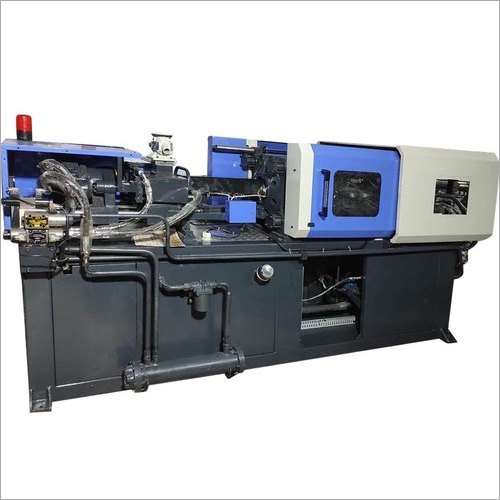
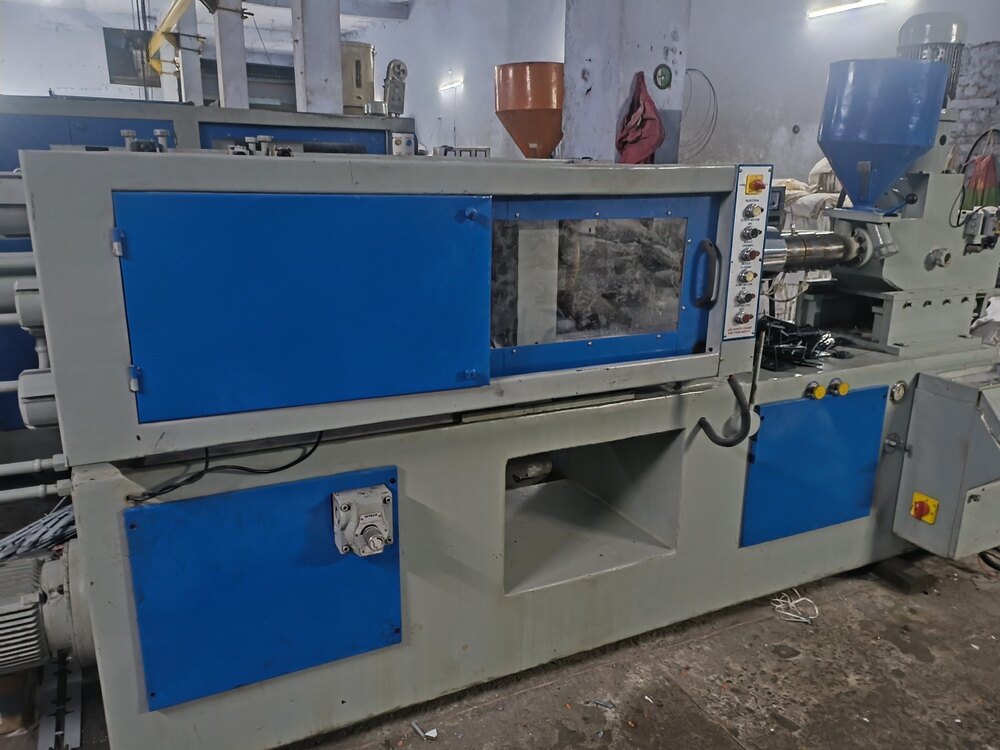
Horizontal Plastic Injection Moulding Machine
Product Details:
- Automation Grade Automatic
- Operating Pressure Up to 1800 Bar Bar
- Accessories Type Moulds, Hopper, Robot Arm (optional)
- Power Source Electric
- Technology Hydraulic Injection Molding
- Features Energy Efficient, User Friendly Interface, High Mould Clamping Force
- Control System PLC Control
- Click to View more
X
Horizontal Plastic Injection Moulding Machine Price And Quantity
- 1 Piece
Horizontal Plastic Injection Moulding Machine Product Specifications
- Alloy Steel and Hardened Components
- Plastic Injection Moulding
- Electric
- Moulds, Hopper, Robot Arm (optional)
- Up to 1800 Bar Bar
- Automatic
- Horizontal Plastic Injection Moulding Machine
- Polished
- PLC Control
- 380-415 V, 3 Phase Volt (v)
- Horizontal
- Energy Efficient, User Friendly Interface, High Mould Clamping Force
- ±0.01 mm mm
- Industrial Plastic Processing
- Hydraulic Injection Molding
- 7.5 kW to 32 kW
- 5-30 seconds (depending on mould and material)
- Central Automatic Lubrication
- 4 to 6
- LCD Touch Screen
- 200 mm to 700 mm
- 350 x 350 mm to 750 x 750 mm
- Water Circulation
- 35 mm to 80 mm
- 60 to 180 mm
- 80 to 650 Ton (varies by model)
- Toggle/Direct Clamping
- 3500 kg to 20000 kg
- 50 to 3000 grams
- Mechanical, Hydraulic, and Electrical
Horizontal Plastic Injection Moulding Machine Trade Information
- Contact us for information regarding our sample policy
Product Description
Injection Moulding Machine
An injection molding machine, also known as an injection press, is a highly precise and automated piece of equipment used to produce plastic parts in large volumes. It works by injecting molten plastic material under high pressure into a mold, where the plastic cools and solidifies into the desired shape.The machine is generally divided into two main units that work in a continuous cycle:
The Injection Unit: This is where the plastic material is prepared and injected. It includes a hopper to hold the plastic pellets, a heated barrel with a rotating reciprocating screw that melts and mixes the plastic, and a nozzle at the end that connects to the mold. The screw advances the molten plastic forward and injects it into the mold.The Clamping Unit:
This unit holds the mold securely closed during the injection and cooling phases. It consists of two platens that hold the mold halves together. The clamping force, measured in tons, must be strong enough to resist the high pressure of the injected plastic and prevent the mold from opening, which would lead to defects like "flashing" (excess material leaking out). After the plastic has cooled, the clamping unit opens the mold, and an ejector system pushes the finished part out.
Types of Injection Molding MachinesInjection molding machines are primarily categorized by their driving system:Hydraulic:
Historically the most common type, hydraulic machines use hydraulic fluid to generate the high forces required for clamping and injection. They are known for their strength and reliability, particularly for large parts.Electric: These machines use electric servo motors for all machine movements.
They are highly precise, energy-efficient, and quieter than hydraulic machines. They are often preferred for medical and electronic components where high precision is critical.Hybrid: Combining the best of both worlds, hybrid machines use a mix of hydraulic and electric systems. They offer the power of a hydraulic system with the energy efficiency and precision of an electric machine.
Advanced User Interface
The LCD Touch Screen provides intuitive controls and real-time monitoring, making it simple to adjust settings and oversee the injection moulding process. PLC-based automation ensures consistent operation and swift troubleshooting, helping operators to maximize productivity and minimize downtime.
Energy Efficiency and Safety
This machine is engineered for energy efficiency, utilizing a hydraulic injection system and refined electrical components to reduce power consumption while maintaining optimal performance. Multiple integrated safety mechanisms, including mechanical, hydraulic, and electrical features, ensure the highest reliability for both operators and equipment.
Customization for Diverse Production Needs
With its versatile clamping force range (80 to 650 Ton), variable injection and screw capacities, and broad tie bar spacing, the machine accommodates a multitude of mould sizes and plastic materials. Its centralized automatic lubrication and advanced cooling system enhance lifespan and process stability, making it suitable for a wide spectrum of industrial applications.
FAQ's of Horizontal Plastic Injection Moulding Machine:
Q: How does the central automatic lubrication system benefit the injection moulding process?
A: The central automatic lubrication system ensures all critical moving parts receive consistent lubrication, reducing wear and tear, minimizing maintenance downtime, and enhancing the overall lifespan and operational reliability of the injection moulding machine.Q: What is the typical process workflow when using this horizontal plastic injection moulding machine?
A: The process begins with loading plastic granules into the hopper. The material is melted and injected into the mould under high pressure. After cooling, the mould opens and the product is ejected. The entire cycle, from injection to ejection, can be completed in 5 to 30 seconds, depending on mould complexity and material.Q: When should maintenance be carried out on the machine, and what are the key maintenance tasks?
A: Regular maintenance should be performed according to the manufacturer's schedule, focusing on cleaning filters, inspecting hydraulic fluid levels, checking for any wear on mechanical components, and ensuring the central lubrication system is functioning properly to maintain efficient operation and prolong machine life.Q: Where can this horizontal injection moulding machine be installed, and what are the voltage requirements?
A: This machine is designed for industrial environments such as manufacturing plants and plastic processing facilities. It requires a 380-415 Volt, 3 Phase power supply, which is standard in industrial settings across India.Q: What advantages does the high mould clamping force provide?
A: A high mould clamping force (80 to 650 Ton) ensures the mould remains securely closed during the injection process, preventing leaks, ensuring dimensional accuracy, and enabling the production of complex or large parts with consistent quality.Q: How does the machine ensure safety during operation?
A: Safety is addressed through integrated mechanical, hydraulic, and electrical devices, which guard against operational errors, overpressure, or unauthorized access to moving parts, helping prevent accidents and ensuring safe production environments.Q: What industrial applications is this injection moulding machine best suited for?
A: The machine is ideal for a variety of industrial plastic processing applications, including the manufacture of automotive components, electronics housings, packaging, household goods, and other precision plastic parts that demand energy efficiency, accuracy, and versatile operation.Tell us about your requirement

Price:
Quantity
Select Unit
- 50
- 100
- 200
- 250
- 500
- 1000+
Additional detail
Mobile number
Email

Other Products in 'Injection Molding Machine' category

Contact Details

- Plot No 2, Puspa Industrial Estate, Bakrol To Gatrad Road, Bakrol-Bujrang Road,Ahmedabad - 382430, Gujarat, India
- Phone : 08037735310
LAXMI ENGINEERING WORKS
GST : 24AQQPP0759H1ZH

- Mr Mehul Patel (Proprietor)
- Mobile : 08037735310
- laxmiengineeringworks2002@gmail.com
|


 Send Inquiry
 Send SMS
LAXMI ENGINEERING WORKS
All Rights Reserved.(Terms of Use)
Developed and Managed by Infocom Network Private Limited.
Developed and Managed by Infocom Network Private Limited.

