
 Send Inquiry
 08037735310
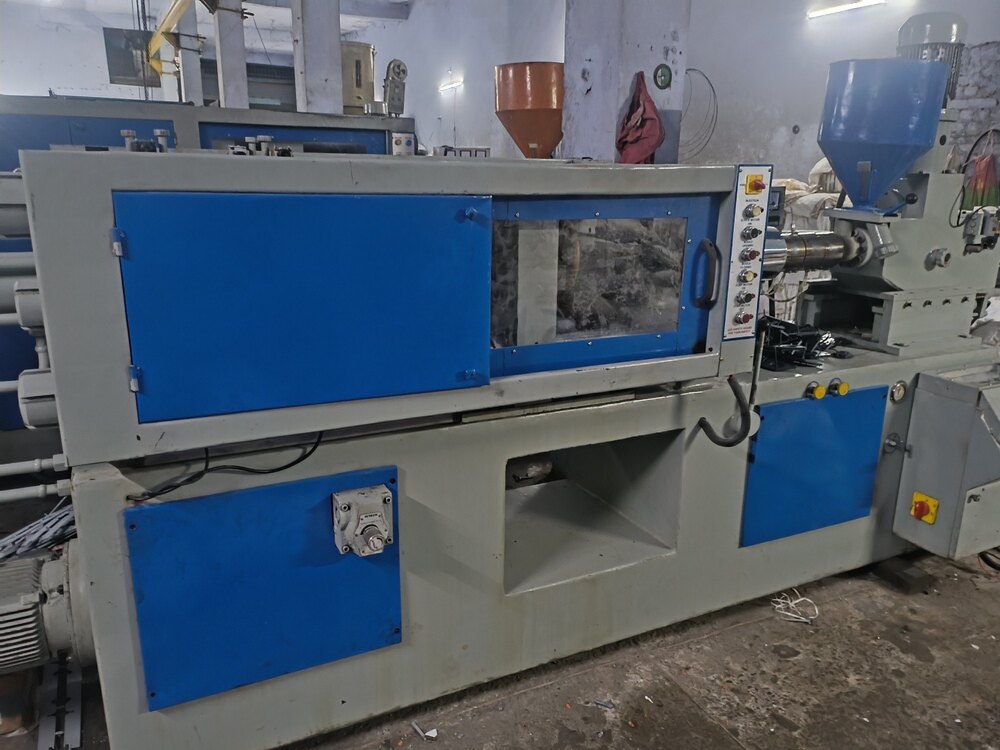
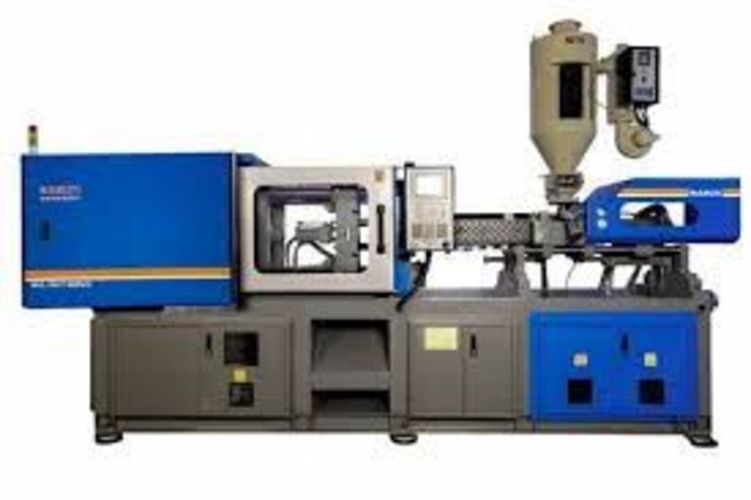
Plastic Injection Molding Machine
Product Details:
- Operating Pressure 180 - 360 bar
- Machine Type Horizontal
- Features Energy Efficient, Low Maintenance, High Output
- Accuracy High Precision
- Automation Grade Automatic
- Technology Plastic Injection Molding
- Control System PLC Control
- Click to View more
X
Plastic Injection Molding Machine Price And Quantity
- 1 Piece
Plastic Injection Molding Machine Product Specifications
- Hopper, Screw, Nozzle, Die
- Injection Molding Machine
- Industrial Manufacturing
- Paint Coated
- Electric
- PLC Control
- Plastic Injection Molding
- Automatic
- Mild Steel
- High Precision
- Horizontal
- Energy Efficient, Low Maintenance, High Output
- 380 - 415 V
- 180 - 360 bar
- Molding Plastic Components
- 10 - 40 kW
- 32 - 75 mm
- 150 - 600 mm
- 10 - 30 seconds
- 3 - 15 Tons
- 100 - 2000 gm
- Water Cooled
- 80 - 500 Ton
- 200 - 400 L
- 80 - 160 mm
- 400 x 400 mm to 1200 x 1200 mm
Plastic Injection Molding Machine Trade Information
- mudara
- Paypal, Cash Against Delivery (CAD), Cash on Delivery (COD), Cash Advance (CA), Cheque, Letter of Credit at Sight (Sight L/C)
- 100 Piece Per Day
- 1 Days
- Yes
- Contact us for information regarding our sample policy
- Asia, Australia, South America, Eastern Europe, Africa
- All India, South India, Central India, West India, North India, East India, Gujarat, Karnataka, Kerala, Lakshadweep, Mizoram, Meghalaya, Manipur, Andhra Pradesh, Bihar, Chandigarh, Daman and Diu, Goa, Jharkhand, Odisha, Punjab, Assam, Delhi, Dadra and Nagar Haveli, Andaman and Nicobar Islands, Arunachal Pradesh, Chhattisgarh, Haryana, Himachal Pradesh, Jammu and Kashmir, Madhya Pradesh, Maharashtra, Nagaland, Rajasthan, Sikkim, Tamil Nadu, Telangana
Product Description
Injection Molding Machine
An injection molding machine, also known as an injection press, is a machine used to manufacture plastic products through the injection molding process. It is a highly efficient and precise method for mass-producing items of various shapes and sizes, from small components to large automotive parts.
The machine consists of two main units:The Injection Unit: This unit is responsible for melting the raw plastic material (typically in the form of pellets) and injecting it into a mold. It typically includes a hopper to hold the pellets, a barrel with heating elements to melt the plastic, and a reciprocating screw that moves the molten plastic forward and injects it into the mold under high pressure.
The Clamping Unit: This unit holds the mold halves together during the injection and cooling process. It provides the necessary clamping force to prevent the mold from opening due to the immense pressure of the injected plastic. Once the part has cooled and solidified, the clamping unit opens the mold and an ejector system pushes the finished part out.Injection molding machines are classified by their driving system (hydraulic, electric, or hybrid) and their clamping force, which is measured in tonnage.
The entire process is a continuous cycle of clamping, injecting, cooling, and ejecting, allowing for fast and repeatable production
Advanced Industrial Molding Technology
Built with mild steel and featuring a robust PLC control system, this injection molding machine is suited for the high-precision production demands of industrial plastic manufacturing. With a substantial oil tank capacity and efficient water-cooled operation, it delivers top-tier reliability and performance even during extended manufacturing cycles.
Designed for Performance and Efficiency
From rapid 10 to 30 second cycle times to its energy-efficient operation, this machine is designed to boost productivity while minimizing downtime. Its automatic functionality, high operating pressure, and wide shot weight range ensure suitability for diverse plastic component production tasks in demanding industrial settings.
FAQ's of Plastic Injection Molding Machine:
Q: How does the plastic injection molding machine ensure high precision in component manufacturing?
A: The machine utilizes advanced PLC control and high operating pressures (180-360 bar) combined with precise screw diameters (32-75 mm) and accurate cycle time management to achieve consistently high precision in molded plastic components.Q: What are the primary applications for this injection molding machine in industrial settings?
A: This machine is widely used for molding a variety of plastic components required in automotive, electronics, packaging, and other industrial manufacturing sectors due to its versatility and robust build.Q: When should I consider using a machine with a clamping force range of 80 to 500 tons?
A: Such a clamping force range is suitable when manufacturing plastic parts that require moderate to large molds, ensuring adequate pressure to maintain part integrity and to accommodate molds with differing sizes and complexities.Q: Where can this injection molding machine be installed and operated safely?
A: Ideal for installation in industrial workshops and manufacturing plants across India, this machine requires a dedicated power supply (380-415 V), proper ventilation for water cooling, and adequate floor space to accommodate its dimensions and weight.Q: What is the process for operating this automatic injection molding machine?
A: Operation involves setting the mold, adjusting machine parameters on the PLC, loading raw plastic in the hopper, and initiating the automated cycle, allowing the machine to melt, inject, cool, and eject finished components with minimal manual intervention.Q: How does the water-cooled system benefit machine performance?
A: The water-cooled system maintains optimal operating temperatures during continuous cycles, which enhances machine reliability, prolongs component life, and ensures consistent molding quality even during high-output production.Q: What are the main benefits of choosing this model for large-scale plastic component manufacturing?
A: Key benefits include energy-efficient performance, high output rates, automatic operation with low maintenance needs, and the versatility to handle various mold sizes and part weights, substantially improving productivity and cost efficiency for industrial manufacturers.Tell us about your requirement

Price:
Quantity
Select Unit
- 50
- 100
- 200
- 250
- 500
- 1000+
Additional detail
Mobile number
Email

Other Products in 'Injection Molding Machine' category

Contact Details

- Plot No 2, Puspa Industrial Estate, Bakrol To Gatrad Road, Bakrol-Bujrang Road,Ahmedabad - 382430, Gujarat, India
- Phone : 08037735310
LAXMI ENGINEERING WORKS
GST : 24AQQPP0759H1ZH

- Mr Mehul Patel (Proprietor)
- Mobile : 08037735310
- laxmiengineeringworks2002@gmail.com
|


 Send Inquiry
 Send SMS
LAXMI ENGINEERING WORKS
All Rights Reserved.(Terms of Use)
Developed and Managed by Infocom Network Private Limited.
Developed and Managed by Infocom Network Private Limited.

